

Frankfurt, May 13, 2026 – At its spring conference held in Maastricht from May 5 to 8, the WGP addressed the issue of digitalization, particularly among small and medium-sized enterprises (SMEs). In light of the current crisis in the industrial sector, researchers invited representatives from industry, politics, and trade associations to jointly identify pathways for transformation. “Thanks to our regular contacts with decision-makers at the Federal Ministry of Research and the Federal Ministry of Economics, we are consistently able to bring production research topics to the ministries,” explains Prof. Jürgen Fleischer, President of the WGP and Director of the Institute for Production Technology (wbk) at the Karlsruhe Institute of Technology (KIT). “However, we want to expand our contacts to move faster,” he emphasized. “Given the much-cited ‘Chinese Speed,’ we don’t have much time if we want to compete internationally with our unique expertise in production engineering.”
Hartmut Rauen, Deputy Managing Director of the VDMA, expressed a similar view in his speech. Despite the difficult situation facing the German mechanical and plant engineering sector, there are still rays of hope. These include not only the country’s outstanding international scientific infrastructure but also its leading position in smart, networked production on the shop floor. Germany also holds a strong position in automation technology. There are therefore opportunities to establish new business models. However, the know-how for innovations must be transferred more quickly from universities to companies. “Hartmut Rauen speaks from my heart,” said Fleischer. “At the WGP, accelerated knowledge transfer has long been a priority for us. That is why we founded the Production Academy many years ago. We are also currently discussing a project for low-threshold research funding for SMEs.”
The shop floor must become a data room
“Germany’s mechanical engineering companies are highly competitive, but they are struggling with the heavy burden of unfavorable business conditions in the country,” Rauen noted. Nevertheless, he sees opportunities to hold their own in fierce global competition, for example in the emerging field of humanoid robotics. “This new class of machines is bringing physical AI to the world,” he said. To stay ahead of the curve, we are “well-positioned; we have the building blocks and the best players. But we need to take action now.”
However, the digitalization of SMEs must be accelerated to achieve this. The WGP has already outlined how this can be done in its position paper “AI in Production.” “By fall, we will also finalize a position paper on humanoid robotics. With this, we aim to demonstrate the potential of these new technologies to policymakers and industry and provide recommendations for action,” explained the WGP president.
However, the industry still has a long way to go. In his presentation, Ingo Sawilla, R&D Manager Research – Head of Manufacturing X at Trumpf, highlighted a key issue: While the equation Data = Information = Knowledge = Value is well known, many SMEs are not yet utilizing data rooms. In these secure environments, authorized partners can safely exchange information without compromising sensitive business data. The benefits, however, are significant, as the application example of predictive maintenance demonstrates. Through data analysis, machine damage can be anticipated and specifically prevented before it occurs.
An infrastructure for secure data exchange, based on shared agreements, rules, and standards, opens up new opportunities, especially for smaller companies. They can connect with customers and partners in so-called data ecosystems and thus digitize their value chain. In this way, they can develop innovative, service-oriented business models.
A Leap Forward Through AI
The Federal Ministry for Economic Affairs is actively promoting this approach, known as Manufacturing-X, to strengthen the competitiveness, resilience, and sustainability of German industry. “These developments are a key competitive factor,” warns the president of the WGP. “Our small and medium-sized enterprises, in particular, must not miss the signs of the times. We are still international leaders in production technology and are also at the forefront internationally with Manufacturing-X. But corporate productivity is declining. If we don’t bring digitalization to the shop floor quickly enough now, we will be left behind very quickly.”
Artificial intelligence (AI) could be a turning point here. Sawilla illustrated this with an example: Experienced machine operators need years of experience to produce components with an accuracy of a few thousandths of a millimeter. An AI-controlled machine achieves this precision after just a few months. Production automation also offers enormous potential for increasing productivity—and autonomous manufacturing even more so. Here, even unskilled workers could achieve optimal results. In light of demographic change, this could alleviate the shortage of skilled workers that is already evident today.
A Close Partnership for Transformation
Factory-X serves as a testing ground for autonomous production. With its secure data rooms, it functions as a test laboratory for efficient and innovative production processes that can be scaled up to entire industries. “With Manufacturing-X and its initiatives, Germany is securing its international competitiveness,” Sawilla is certain. “But we must accelerate and maintain our pace in implementation. In doing so, we must make maximum use of our advantage in strong research in the production sciences.”
Jürgen Fleischer sums it up as follows: “To rapidly advance digitalization on the shop floor and the integration of companies into overarching data ecosystems, we need close collaboration between industry, research institutes, and policymakers.”
More Information
Position Paper „KI in der Produktion“
Download
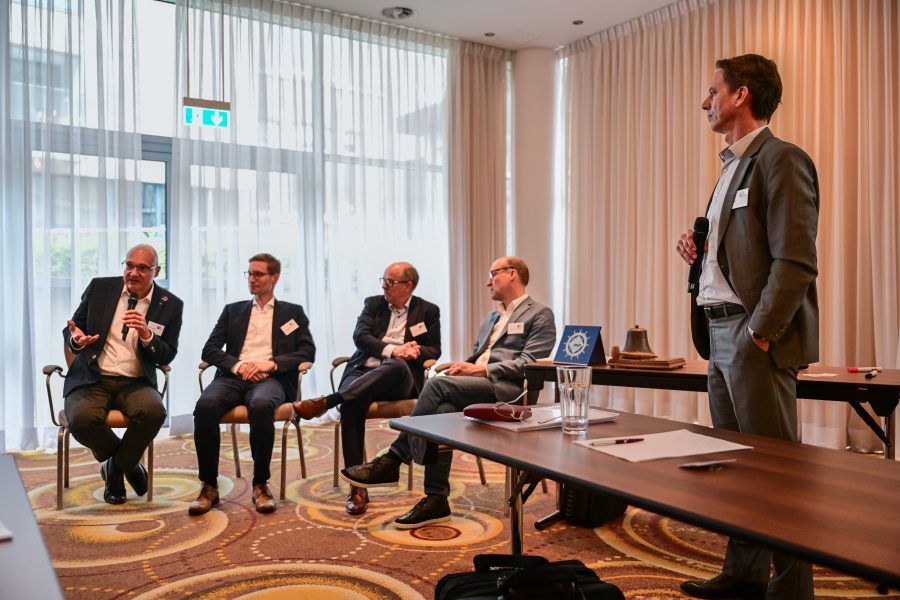
Figure 1: Panel discussion on how data rooms are being adopted on the shop floor at the WGP Spring Conference, May 5–8, 2026, in Maastricht (from left to right): Ingo Sawilla, R&D Manager Research, Head of Manufacturing X at Trumpf, Dr. Marc-André Dittrich, Manager Central Development Coordination & Research Manager at DMG Mori, Dr. Marc Hüske, Head of the Manufacturing X Forum at the VDMA, Ernst Stöckl-Pukall, Head of the Digitalization and Industry 4.0 Division at the BMWI; Source: Tobias Kaufmann
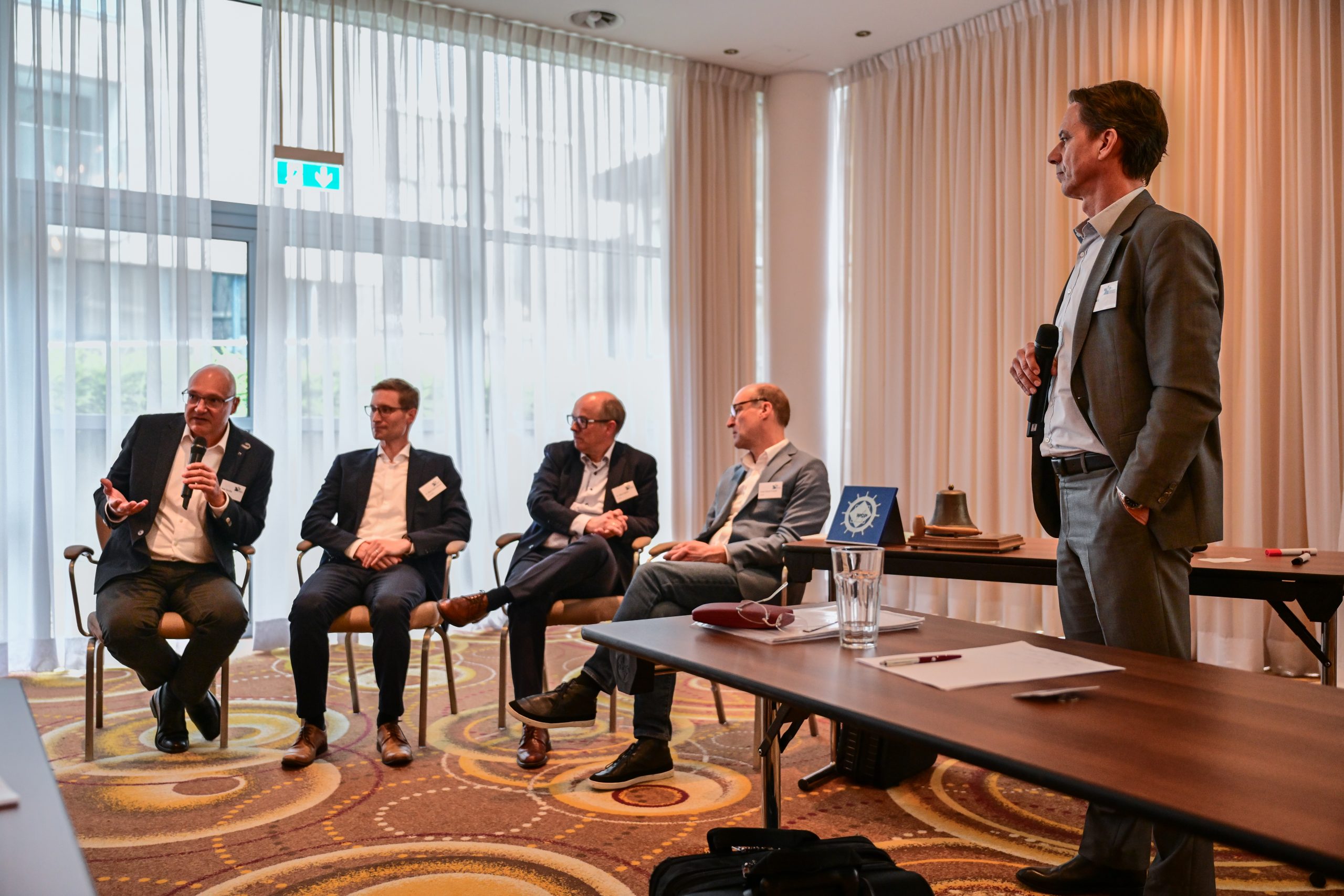
Figure 2: Prof. Jürgen Fleischer; President of WGP and Director of the Institute of Production Engineering (wbk) at the Karlsruhe Institute of Technology (KIT); Source: wbk Karlsruhe
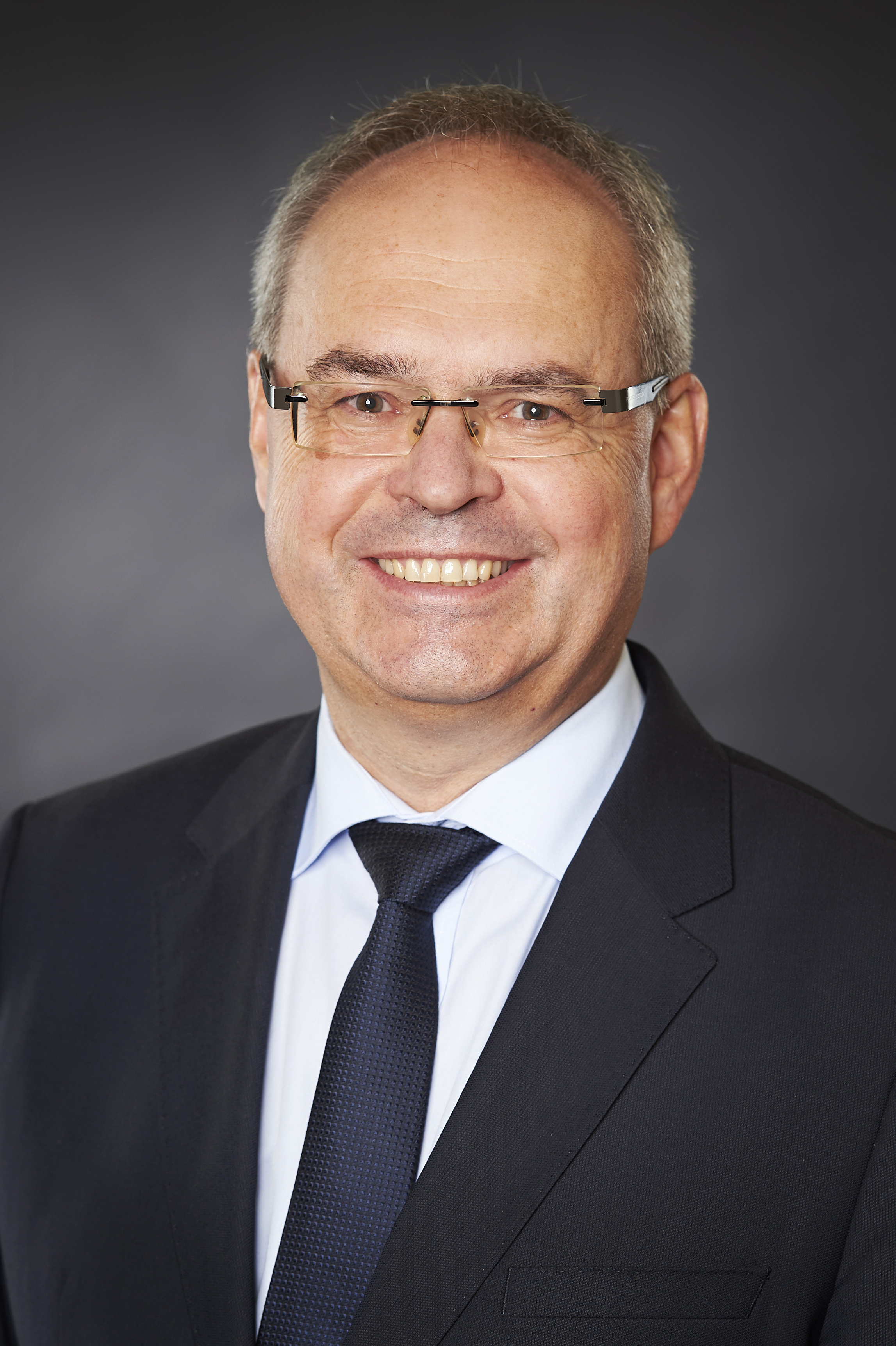
Figure 3: Hartmut Rauen, Deputy Managing Director of the VDMA, Source: VDMA
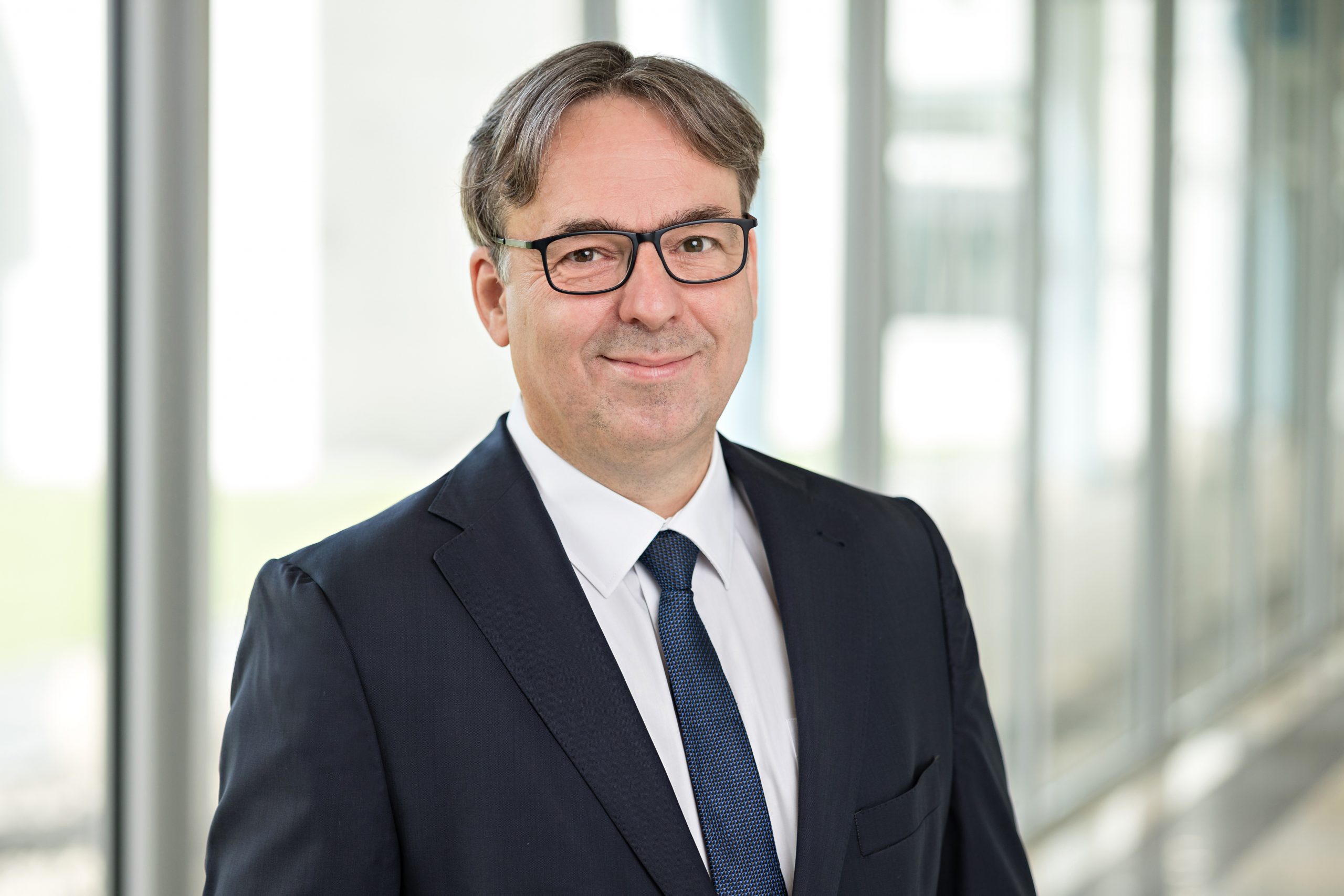
Figure 4: Ingo Sawilla, R&D Manager Research – Head of Manufacturing X at Trumpf, Source: Trumpf
Would you like to subscribe to the biannual WGP newsletter? You can do so here: https://wgp.de/de/aktuelles/newsletter-archiv/